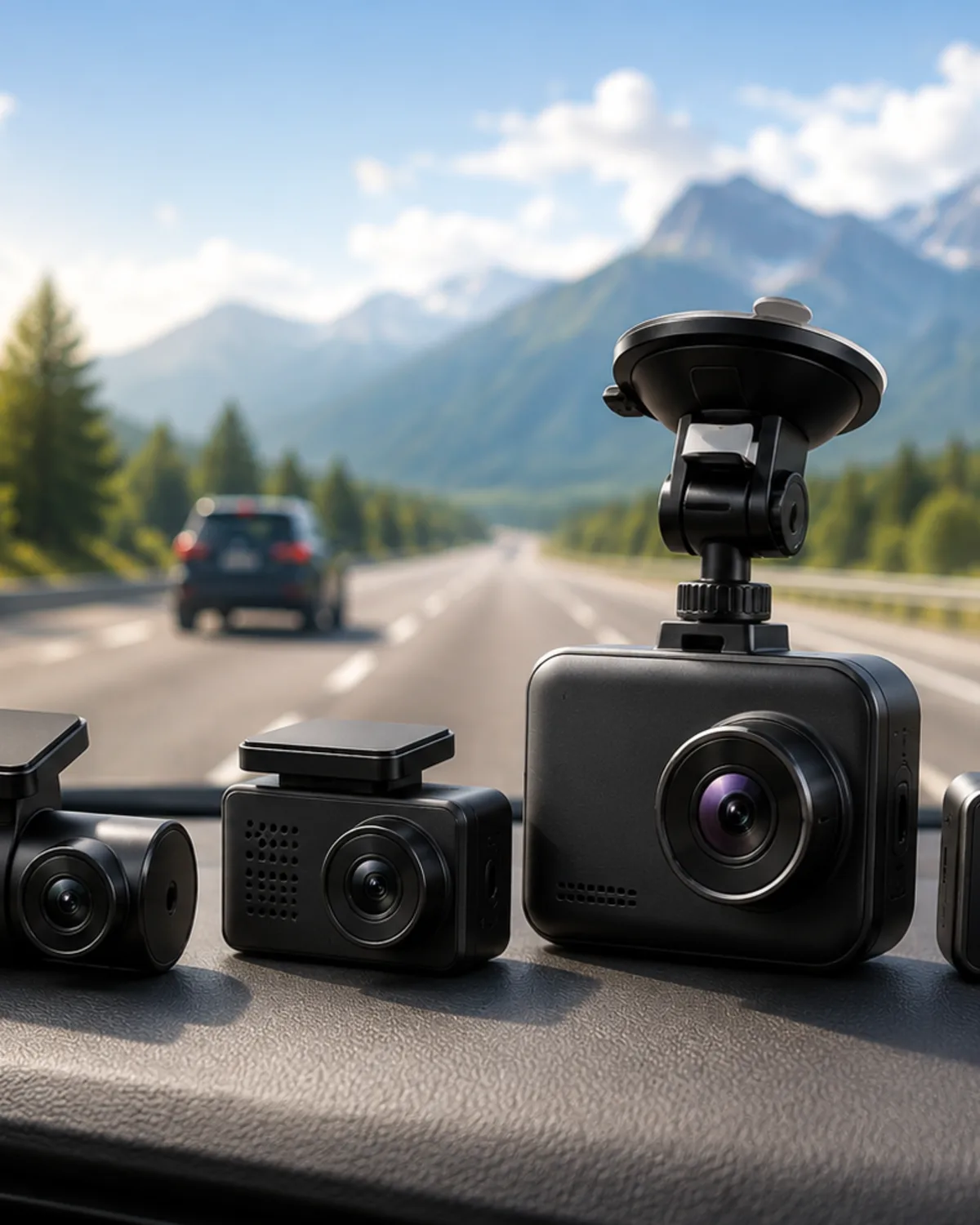
Driving in India presents unique challenges, from congested city lanes to high-speed highways. In an environment where traffic incidents are common and disputes can be difficult to resolve, a dash cam has transitioned from a luxury accessory to a safety essential. Whether it is for insurance claims, protecting yourself against false accusations, or simply recording a scenic road trip, having a reliable camera on your dashboard provides an extra layer of security. This guide explores the benefits of dash cams in the Indian context and highlights the key features you should consider before making a purchase.
Why a Dash Cam is Essential for Indian Drivers
In India, road conditions can change in an instant. A dash cam acts as an unbiased observer, capturing high-quality video of everything that happens in front of (and sometimes behind or inside) your vehicle. Here are the primary reasons to install one:
- Evidence for Insurance Claims: In the event of an accident, video footage provides clear proof of what transpired, speeding up the claims process with insurance providers.
- Protection Against Harassment: Dash cams can deter road rage and provide evidence if you are unfairly targeted by other drivers or involved in a dispute.
- Monitoring While Parked: Many modern dash cams offer parking surveillance, which monitors your car for hits or vandalism while it is stationary.
- Recording Road Trips: Beyond safety, dash cams are great for capturing memories of beautiful drives across the country.
Key Features to Look For
1. Resolution and Image Sensors
High resolution is critical for reading license plates. While 1080p is the standard, 4K resolution offers significantly more detail. Advanced sensors, such as the Sony STARVIS 2, are highly recommended for Indian roads as they provide superior clarity during night drives and in low-light conditions.
2. Single, Dual, or Three-Channel Systems
A single-channel camera records only the front. A dual-channel system, like the 70mai A810, adds a rear camera for comprehensive coverage. For those who want total surveillance, including the cabin, a three-channel system like the REDTIGER F17 is the most robust option.
3. HDR and Night Vision
High Dynamic Range (HDR) technology helps the camera manage difficult lighting, such as driving into direct sunlight or under bright streetlights at night. This ensures that the footage is not overexposed or too dark to be useful.
4. GPS and Wi-Fi Connectivity
Built-in GPS tracks your speed and location, which can be vital data in a legal dispute. Wi-Fi connectivity allows you to download and share footage directly to your smartphone via an app, eliminating the need to remove the SD card constantly.
Installation and Maintenance
Most dash cams are designed for a simple plug-and-play setup via the 12V power socket. However, for features like 24-hour parking monitoring, professional installation and a hardwiring kit are usually required. It is also important to use high-endurance microSD cards, as constant loop recording can wear out standard cards quickly.
When choosing a dash cam for India, prioritize night vision and heat resistance. Indian summers can be harsh, so look for models with a high build quality. If you frequently drive at night, investing in a model with a Sony STARVIS 2 sensor is worth the extra cost. For city commuters, a compact and discreet model like the DDPAI Mini Pro is excellent as it doesn't obstruct your view. If you are a frequent highway traveler, a 4K dual-channel setup is the gold standard for capturing high-speed details.
A dash cam is one of the smartest investments you can make for your vehicle in India. It provides security, simplifies insurance processes, and offers peace of mind every time you start the engine. Whether you choose a budget-friendly entry-level model or a premium 4K system, the presence of a 'silent witness' on your dashboard is invaluable.